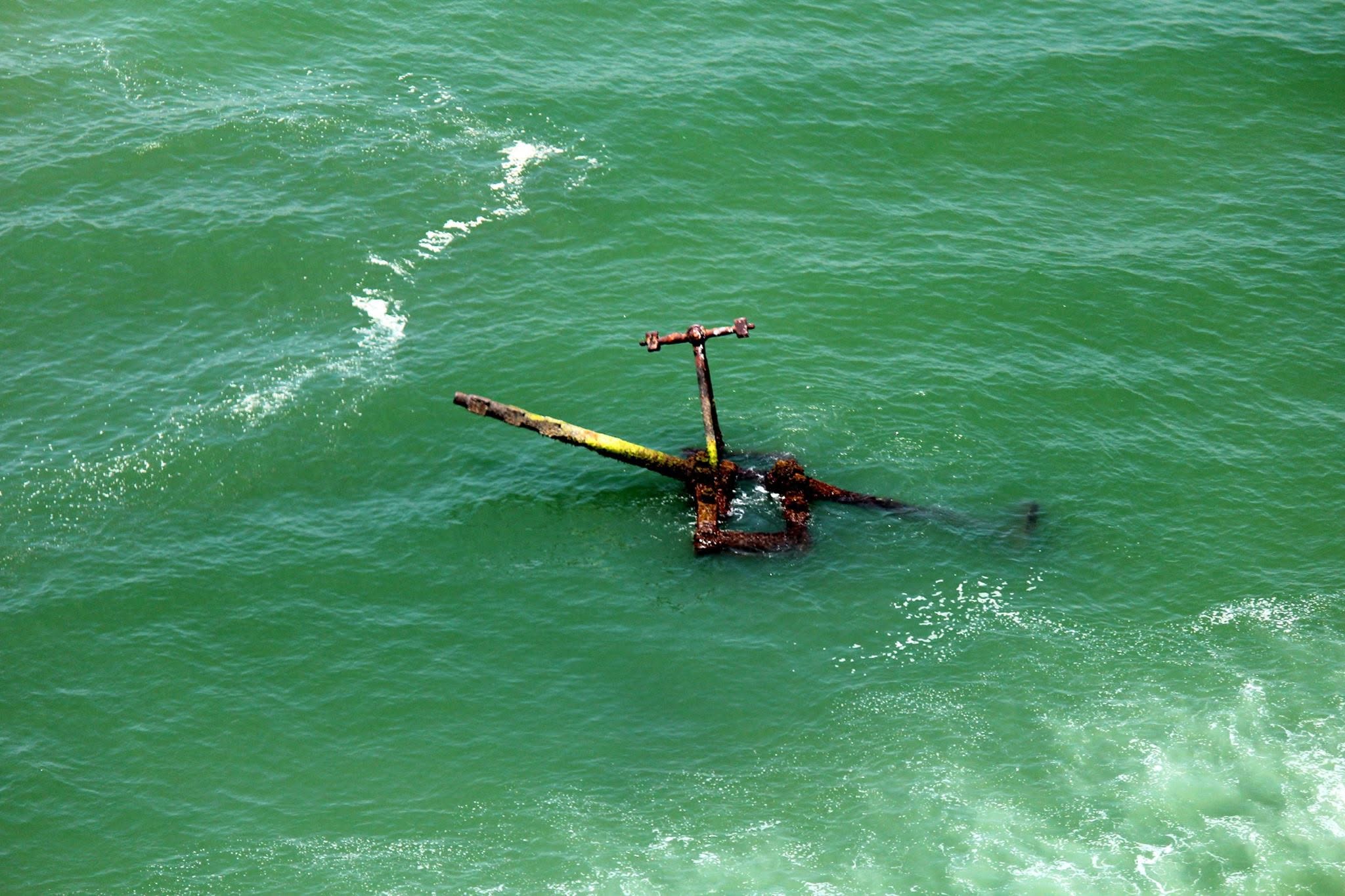
Why Is It Called the Graveyard of the Atlantic?
More than 2,000 shipwrecks rest off the coast of North Carolina, and that number continues to grow. Long before modern highways connected the East Coast, the Atlantic Ocean served as one of America's first major transportation routes. Merchant ships, military vessels, and explorers regularly traveled these waters, carrying cargo and passengers between ports.
The waters surrounding the Outer Banks, however, have always been notoriously dangerous. Powerful storms, dense fog, ever-shifting sandbars, and shallow shoals made navigation extremely difficult, even for experienced captains. These hazardous conditions earned the North Carolina coast its infamous nickname: The Graveyard of the Atlantic.
The shipwrecks below are just a small sample of the thousands that lie beneath the waters off North Carolina's coast. Many remain buried beneath shifting sand, while others can still be explored by snorkelers, divers, kayakers, and even viewed from the beach. Whether you're interested in history, photography, or marine life, these wrecks offer a fascinating glimpse into the Outer Banks' maritime past.
The Huron
Located just offshore in Nags Head, the USS Huron is one of the most accessible shipwrecks on the Outer Banks. Resting only about 200 yards from the beach near the Nags Head Fishing Pier, it has become a favorite destination for kayakers, snorkelers, and divers.
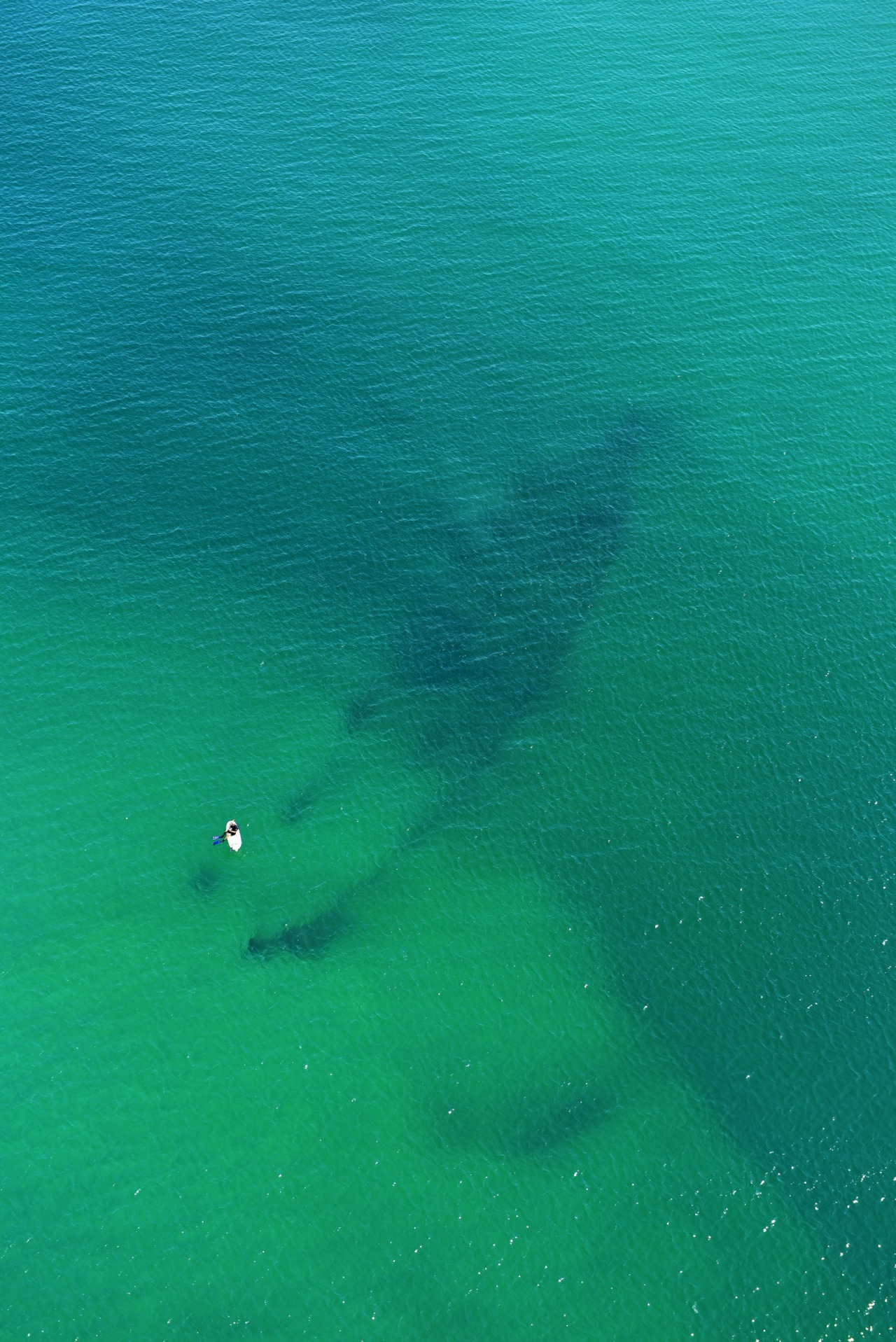
On calm days with little wind or current, divers can easily reach the wreck, which sits in approximately 20 feet of water. During the summer months, the site is typically marked with buoys, making it easier to locate.
The Huron sank on November 24, 1877, while en route to Havana, Cuba. Heavy seas and dense fog caused the vessel to run aground around 1:30 a.m. Although the nearest U.S. Life-Saving Service station was only two miles away, it had not yet opened for the season. Tragically, 98 of the 134 crew members lost their lives.
The disaster highlighted the need for year-round rescue services and ultimately led to increased funding for additional life-saving stations along the North Carolina coast.
The Triangle Wrecks
Located roughly 100 to 250 yards offshore in Kill Devil Hills, the Triangle Wrecks sit in about 15 to 20 feet of water and are among the area's most popular snorkeling and diving sites.
The wreckage is spread across a large debris field, making every dive a little different. Swim just a few yards in any direction, and you'll often discover new pieces of wreckage or different marine life that has made the remains home.
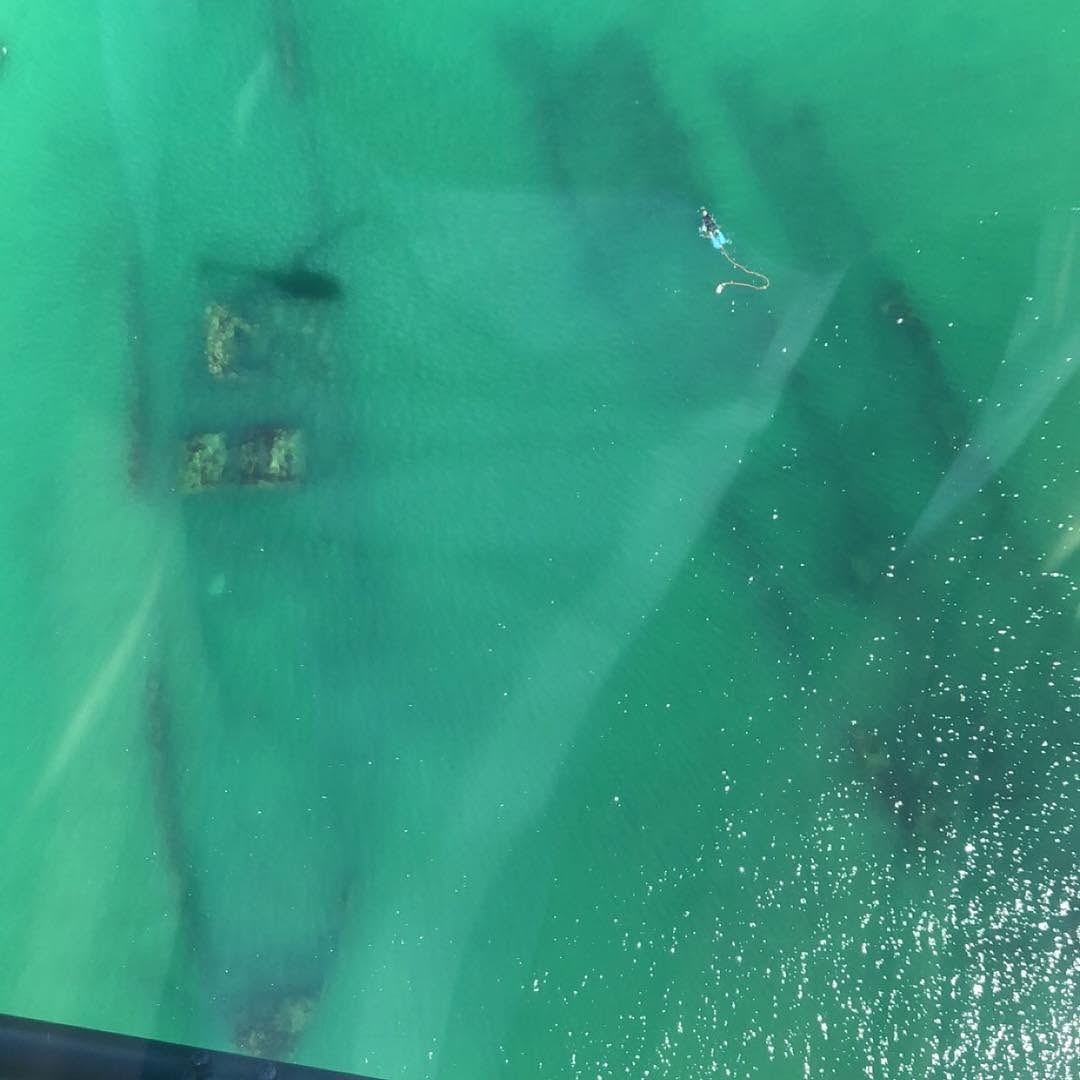
The first vessel to sink here was the Kyzikes, a steamship bound for Spain after departing Baltimore in December 1927. While attempting to avoid a powerful storm, the vessel began taking on water. Shortly afterward, its boiler tubes burst, leaving the ship completely disabled. By morning, the Kyzikes had run aground just offshore of Kill Devil Hills. Four crew members lost their lives, but local life-saving crews successfully rescued the remaining sailors.
Just two years later, another steamship, the Carl Gerhard, encountered severe weather off the New England coast. After drifting for five days without control, the vessel eventually ran aground directly into the wreckage of the Kyzikes, creating what is now known as the Triangle Wrecks.
The Oriental
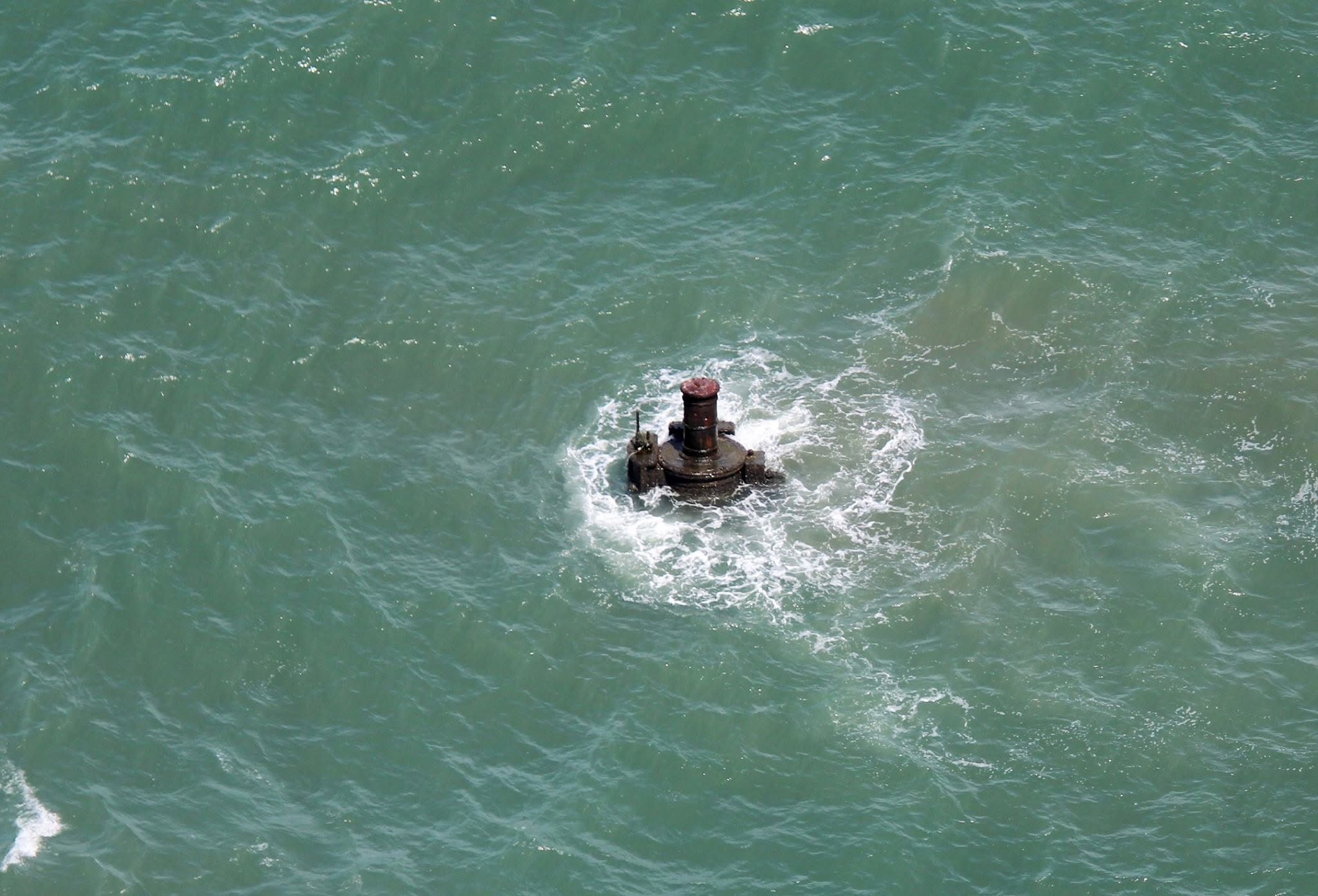
The Oriental was a 210-foot steamship that sank on May 16, 1862, during the Civil War. Today, it rests approximately 150 yards offshore near the former Pea Island Life-Saving Station in about 15 to 20 feet of water.
The wreck is better known by locals as "The Boiler Wreck" because its large boiler is often visible from shore, especially during periods of low sand accumulation.
The Oriental departed New York before encountering rough seas and strong winds near Oregon Inlet. At approximately 11:55 p.m., the vessel ran aground. Fortunately, no lives were lost. Union forces stationed in Hatteras and Ocracoke were able to rescue everyone aboard.
The Pocahontas
The wreck commonly known as the Pocahontas is perhaps the most debated shipwreck on the Outer Banks. For decades, locals believed the remains belonged to the Pocahontas. However, more recent investigations suggest the wreck is actually that of the USS Richmond, which ran aground near Salvo in January 1866 after a faulty compass sent the vessel off course.
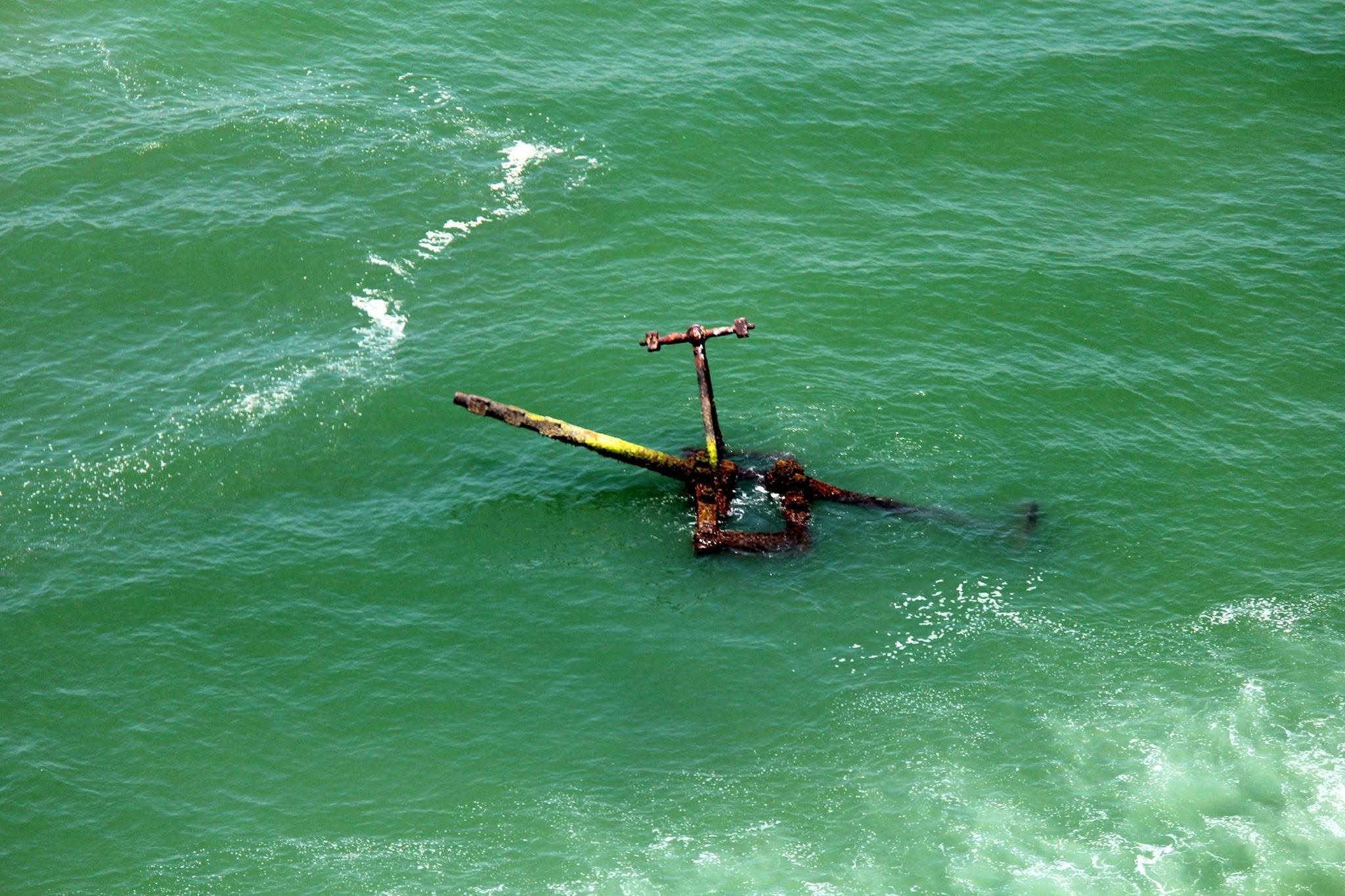
Despite the evidence, the site is still commonly referred to as the Pocahontas by many local residents.
Today, visitors can still see portions of the steam engine and paddle wheel from the beach. The wreck is easily accessible from Ramp 23 and is located about one mile north. During the summer months, seasonal beach closures may limit vehicle access, but the wreck itself lies only about 75 yards offshore, making it an easy paddle or swim in calm conditions.
The Winks Wreck
Just offshore near Luke Street in Kitty Hawk lies a wreck widely believed to be the Mountaineer. Sitting in roughly 15 to 20 feet of water and only about 150 yards from shore, it is an accessible dive for experienced swimmers, kayakers, and divers.
Finding the wreck can sometimes be challenging because shifting sands constantly expose and bury its remains. In some years, large sections of the wreck are clearly visible, while in others only a small portion—sometimes no larger than a five-gallon water cooler—can be seen.
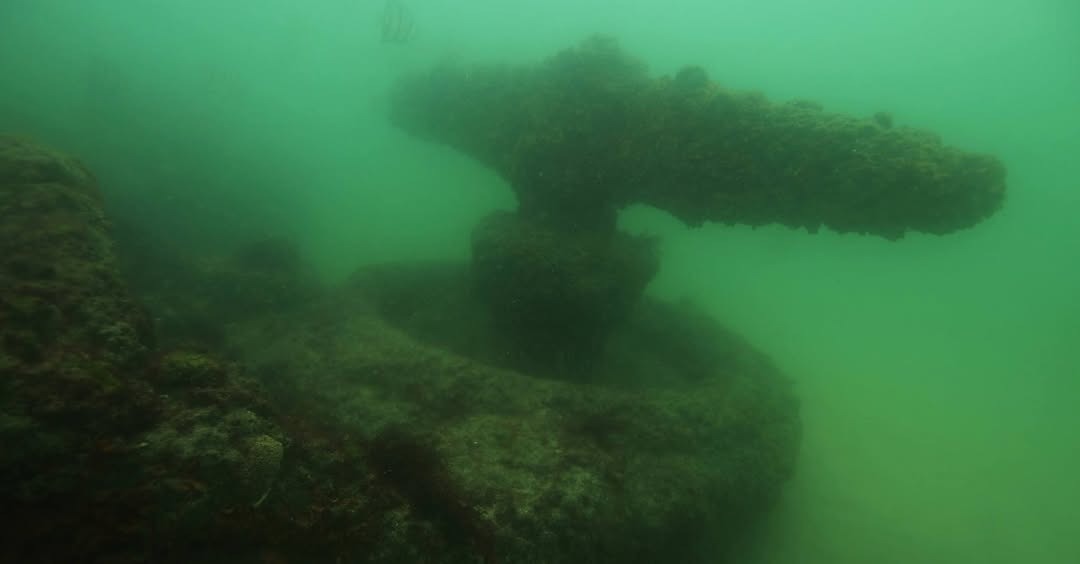
The Mountaineer sank on Christmas Day in 1852, making it one of the oldest diveable steamship wrecks along the North Carolina coast. During its final voyage, the vessel suffered a mechanical failure that left it powerless, allowing winds and currents to push it ashore near Kitty Hawk.
Although the wreck has never been conclusively identified as the Mountaineer, it is widely accepted by historians and local divers to be the vessel.
Locals affectionately call the site Winks Wreck because of its proximity to the former Winks Store on Eckner Street along the Beach Road.
Before You Go
Many of these shipwrecks are surprisingly close to shore, but don't let their proximity fool you. Ocean conditions on the Outer Banks can change quickly, with strong currents, breaking waves, poor visibility, and shifting sandbars creating hazardous conditions. If you plan to snorkel, dive, or kayak to a wreck, always check the marine forecast, use the appropriate safety equipment, and never venture out beyond your experience level. When in doubt, admire these incredible pieces of history from the beach.
Explore the Graveyard of the Atlantic
The Outer Banks is home to countless shipwrecks, each with its own story waiting to be discovered. Whether you're visiting for a weekend or have lived here for years, exploring these historic sites is a unique way to experience the rich maritime history that makes this stretch of coastline so special.
Have you visited any of these wrecks? We'd love to hear about your experience or see your photos. Share your favorite Outer Banks shipwreck with us!