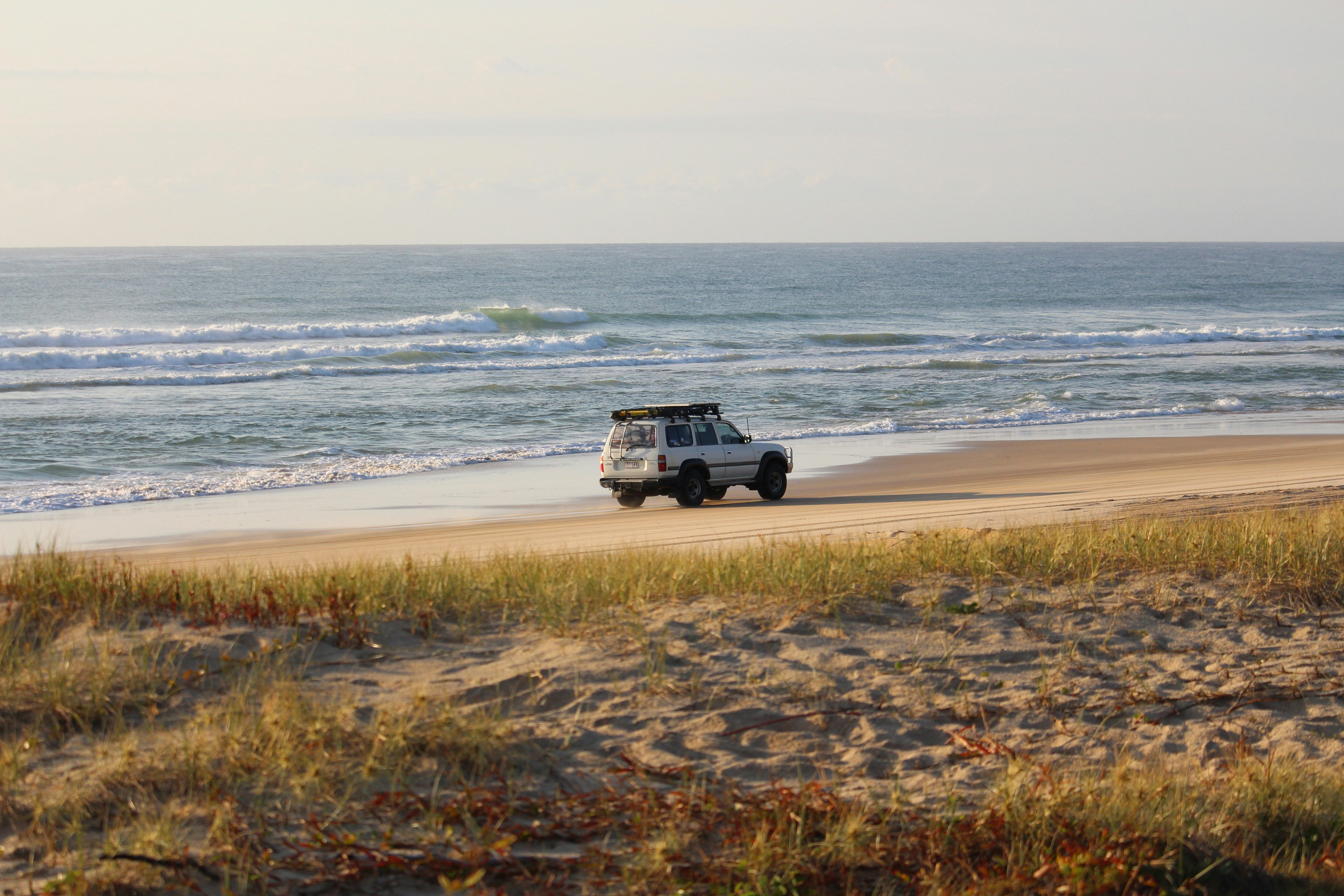
What You Need to Know Before Driving on the Beach in the Outer Banks
If you’ve never driven on the beach before, the idea of taking your vehicle onto the sand can be both exciting and a little intimidating. On the Outer Banks, beach driving is a popular way to access remote stretches of shoreline, spend the day fishing, or explore areas that aren’t accessible by paved roads.
But driving on the beach is very different from driving on pavement. Soft sand, changing tides, pedestrians, wildlife, and rapidly changing beach conditions can all make things more challenging.
Before you put your vehicle into 4WD and head onto the sand, here’s what you need to know about driving on the beach in the Outer Banks.
Where Can You Drive on the Beach?
Beach driving isn't allowed on every Outer Banks beach, and the rules vary depending on the town or park you're visiting.
The most well-known beach-driving areas include:
- Corolla and Carova – The northern end of the Outer Banks has a designated 4x4 beach that stretches north of the paved portion of NC 12.
- Cape Hatteras National Seashore – ORV access is available on designated sections of Hatteras Island and Ocracoke with a National Park Service permit.
- Nags Head – Beach driving is permitted seasonally, with a town permit, from October 1 through April 30.
That means you can't simply drive onto any beach access and assume beach driving is allowed. Always check the rules for the specific area you're visiting before heading out.
You Need the Right Vehicle
One of the biggest mistakes first-time beach drivers make is assuming that any SUV or truck can handle the sand.
Four-wheel drive is essential in the Outer Banks' designated off-road areas.
In Corolla's 4x4 area, Currituck County specifically advises visitors not to attempt beach driving in vehicles that aren't equipped with 4WD. AWD and 2WD vehicles can become stuck in soft sand.
And having 4WD doesn't automatically mean you're prepared.
Your tires, tire pressure, vehicle weight, driving technique, and beach conditions all make a difference.
If you're renting a vehicle, make sure beach driving is permitted by the rental company before taking it onto the sand.
Air Down Your Tires
If there's one thing you should remember before driving on the beach, it's this:
Air down your tires.
Reducing tire pressure increases the tire's footprint, allowing it to float over softer sand rather than digging into it.
In Corolla's 4x4 area, Currituck County recommends approximately:
- 20 PSI for SUVs and ½-ton 4x4 vehicles
- 35 PSI for ¾-ton 4x4 vehicles
There is an air station at Historic Corolla Park where drivers can air back up after leaving the beach.
Cape Hatteras National Seashore also strongly recommends lowering tire pressure to at least 20 PSI before driving on designated ORV routes, with the exact pressure depending on the softness of the sand and the vehicle. Drivers should reinflate their tires before returning to paved roads.
Never forget to air your tires back up before getting back on the highway.
Driving at highway speeds with significantly reduced tire pressure can be dangerous and can damage your tires.
Use 4WD Before You Need It
Don't wait until you're stuck to put your vehicle into 4WD.
When entering the sand, engage 4WD according to your vehicle manufacturer's recommendations and maintain a slow, steady speed.
In Corolla, the county specifically recommends using 4WD when entering the ramp and maintaining a slow, steady speed.
The goal isn't to race across the beach. In fact, excessive speed can make it easier to lose control or damage your vehicle.
Smooth and steady is the name of the game.
Don't Stop on the Beach Ramp
Beach ramps can be some of the softest and most difficult sections of sand to navigate.
Don't stop at the bottom of the ramp to figure out what you're doing.
If you stop in soft sand, you may have a much harder time getting moving again.
Have your tire pressure reduced, your vehicle in the appropriate drive mode, and your belongings secured before you enter the ramp.
Once you're on the beach, find a safe location before stopping.
Watch the Tide
The beach can look completely different depending on the tide.
A section of beach that was wide and easy to drive on a few hours earlier can become significantly narrower as the tide comes in.
This is especially important when you're parked on the beach for several hours.
Pay attention to the water and don't assume that the area where you parked will look the same later in the day.
If the tide is coming in quickly, move your vehicle rather than waiting until you're surrounded by water.
Keep an Eye Out for People and Wildlife
You're sharing the beach with more than other vehicles.
Depending on where you are, you may encounter:
- Pedestrians
- Fishermen
- Surfers
- Swimmers
- Children
- Dogs
- Sea turtles
- Shorebirds
- Wild horses
This is particularly important in the Corolla area, where the famous Corolla wild horses roam freely.
Give wildlife plenty of space and never attempt to drive toward, chase, or approach an animal.
In Corolla, the speed limit is 35 mph, but it drops to 15 mph when traveling within 300 feet of any person.
Even when a higher speed is technically permitted, remember that beach conditions and the number of people around you should determine how fast you actually drive.
Parking on the Beach Is Different Too
When you park on the beach, you're still sharing the beach with other vehicles.
In Corolla's 4x4 area, vehicles should be parked in the middle of the beach strand without blocking the traffic lane. Chairs, coolers, fishing lines, and other belongings should also be kept out of areas needed for traffic and emergency access.
Think about the beach as a road rather than a parking lot.
Leave enough room for other vehicles and emergency responders to get through.
And remember that the beach changes throughout the day. Rising tides may mean you'll need to move your vehicle or belongings.
Fill Your Gas Tank Before You Go
If you're heading into the Corolla 4x4 area, don't expect to find a gas station waiting for you.
Currituck County specifically recommends starting with a full tank because there are no gas stations in the 4x4 area.
This is especially important if you're planning to drive a long distance north toward the Virginia state line.
It's much easier to fill up before entering the 4x4 area than to find yourself low on fuel once you're already on the beach.
What Happens If You Get Stuck?
Even experienced beach drivers can get stuck.
If your tires start spinning, stop spinning them.
Continuing to accelerate can dig your tires deeper into the sand and make the situation much worse.
If possible:
- Stop spinning the tires.
- Make sure you're in the appropriate 4WD setting.
- Check your tire pressure.
- Clear sand away from the tires.
- Use traction boards, a shovel, or another recovery method if you have them.
- Ask nearby experienced beach drivers for assistance if it's safe to do so.
It's a good idea to carry basic recovery equipment if you plan to spend a lot of time driving on the beach.
A shovel, tire gauge, tire inflator, recovery boards, and a tow strap can all be useful.
What About Beach Driving on Hatteras Island?
Cape Hatteras National Seashore offers some of the Outer Banks' most extensive opportunities for ORV beach driving.
However, there is an important difference:
You need an ORV permit to drive on designated beaches within Cape Hatteras National Seashore.
Not every section of beach is open to vehicles, and access can change because of sea turtle nests, shorebirds, storms, erosion, or other resource and safety concerns.
Before heading out, check the National Park Service's current ORV access conditions rather than relying on information from a previous trip.
What About Nags Head?
Nags Head has its own beach-driving rules.
Four-wheel-drive, state-inspected vehicles with the proper Town of Nags Head permit are allowed on the beach October 1 through April 30.
Beach driving is permitted from 30 minutes before sunrise through 30 minutes after sunset.
Nags Head also requires drivers to reduce tire pressure to 20 PSI or lower.
One important detail: a Nags Head beach-driving permit does not apply to Kill Devil Hills or Cape Hatteras National Seashore.
If you're traveling between different areas of the Outer Banks, don't assume one permit covers everything.
What About Corolla?
For many visitors, Corolla is the first place that comes to mind when they think about driving on the beach in the Outer Banks.
The 4x4 area begins north of the paved portion of NC 12 and extends toward the Virginia state line.
This area is especially popular because it combines beach driving with the opportunity to see the famous Corolla wild horses.
But Carova isn't simply a place where you can hop in any SUV and drive onto the sand.
You'll need a properly equipped 4WD vehicle, and seasonal parking permit requirements apply when parking on the beach.
For 2026, Currituck County changed the beach parking permit period to the second Saturday in May through the last Saturday in September. The county also limits the number of weekly visitor permits available for purchase.
If you're staying in a vacation rental in the 4x4 area, check with your rental company about the parking permits provided for your stay.
A Few Things to Keep in Your Vehicle
Before heading onto the beach, it's a good idea to have:
- Tire pressure gauge
- Portable air compressor or access to an air station
- Shovel
- Recovery boards
- Tow strap
- Plenty of drinking water
- Sunscreen
- Food and snacks
- Full tank of gas
- Phone or GPS
- Basic first-aid supplies
- Trash bags
And, of course, don't forget your driver's license, vehicle registration, and insurance information.
Beach Driving Can Be One of the Best Ways to Experience the Outer Banks
When done responsibly, driving on the beach is a uniquely Outer Banks experience.
You can spend the day fishing beside the ocean, explore remote stretches of shoreline, watch the sunrise from the beach, or travel north into Carova in search of the wild horses.
Just remember that every beach-driving area has its own rules.
Check the current regulations, know where you're allowed to drive, prepare your vehicle, lower your tire pressure, watch the tides, and respect the people and wildlife sharing the beach with you.
Do that, and your first beach-driving adventure can be one of the most memorable parts of your Outer Banks trip.